| Status: | Active, open to new members |
| Leader: | |
| When: | Monthly on Tuesday mornings 10:15 am-12:30 pm Monthly |
| Venue: | Venue as advertised |
The Countryside Studies Group (CSG) was set up to give members an opportunity to get to know and appreciate aspects of the natural environment without requiring specialised knowledge or expertise.
We meet on the second Tuesday of the month, usually for a morning, but may avoid winter months.
We visit sites where we can explore the diversity of nature, linking geology, topography, plant life and wildlife. With a rich variety of habitats nearby, we generally explore our local area but occasionally venture further afield.
Over the last few years we have explored the fungi of the Leasowes Nature Reserve Site of Special Scientific Interest that the late Nick Williams, the founder of our CSG, did so much to establish,
Without Nick's guidance, our CSG depends on local guides and wardens at the various sites to help us appreciate their natural diversity. Members are encouraged to put forward ideas for sites to visit and areas of natural interest. As much as possible we aim to car share to limit our carbon footprint.
If you are interested and want to know more please contact the group leader, Martin P.
Recent visits

On 26 November, the wardens at Leasowes Nature Reserve organised and led a walk honouring the memory of Nick Williams who contributed so much to the conservation of our countryside (see the opening paragraph of this webpage). Joining the walk were members of Nick's family, some of our countryside group and u3a members and colleagues of Nick. The walk is way-marked and begins at the entrance to the Leasowes on Manor Way next to the bus stop near Carisbrooke Drive. Do enjoy the mile - or two miles if you walk back to the start!

Countryside Studies meets Silent Witness! Well Almost!!
Martin arranged an informal Countryside Studies meeting for February 10th at Bodenham Arboretum. In actual fact only Martin, Gwen, Paula and your correspondent attended plus Jan, my wife. On all the boards approaching Bodenham were signs ‘SW’! Approaching the car park we could see masses of cars, caravans etc. Somewhat of a surprise for a miserable Tuesday in the school term. We learnt that Silent Witness was being filmed at a secret location nearby. We had to remain Silent and certainly wouldn’t be allowed to Witness!
The rain held off and we enjoyed a really pleasant walk around the lake. In the farm area there were young donkeys, about a dozen day old piglets as well as other live stock. The reflections in the pools were spectacular and we found a highly fragrant viburnum as well as other pretty winter flowering shrubs. The visit ended with drinks and, for some of us, food in the cafe.
Richard


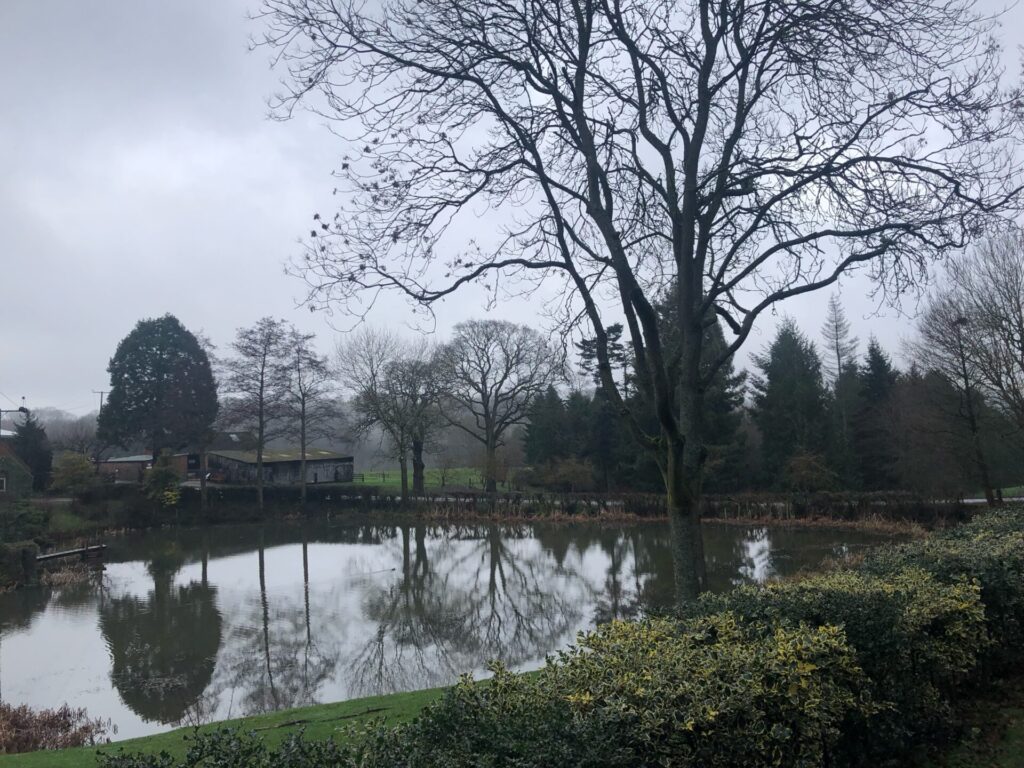

In March this year we visited the National Trust Nature Reserve at Clent Hills where we were treated to a guided tour including the reed bed sewage management scheme, the site of the "Ranger's Cottage" that some of our group recalled seeing as children and evidence of agricultural management of the hills prior to the Black Death in 1349. The visit confirmed that even places with which one feels very familiar can reveal surprising, new aspects when revealed by knowledgable guides.
In April, we visited the Devil's Spittleful and Burlish Top Nature Reserve accompanied by Worcestershire Wildlife Trust Volunteers Sue and Andy.
We were surprised and delighted to observe a Severn Valley engine and coaches being filmed by a film / photography crew - not a wildlife event but a reminder of how that reserve had been bounded and accessed by the railway. It was one factor in the decision of the US army to base a camp and hospital on that site. We walked up to Burlish Top and the area where the camp had been to witness the effective way that nature reclaims areas of human occupation that are no longer occupied.


One of the surgical wards


We were pleased to see the hard work of managing the scrub being undertaken by the herd of goats on one side of the track and cattle on the other.
The keen eyesight of one of our members drew attention to a badger's paw print at the edge of a sett.

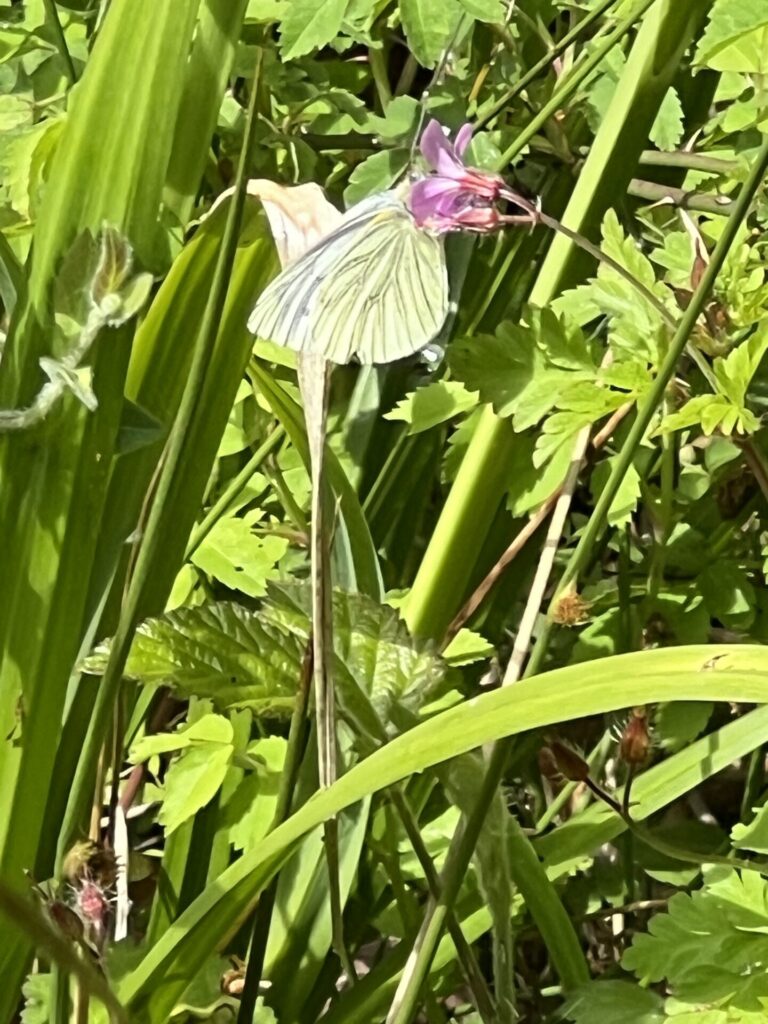
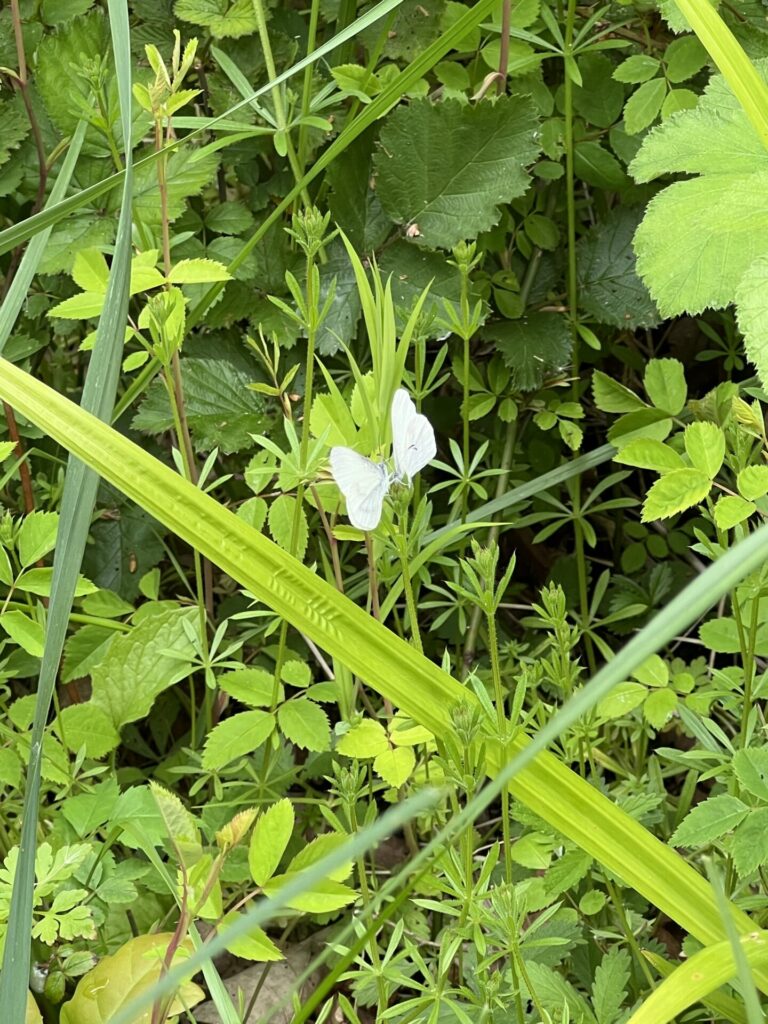
In May we visited Monk Wood near Holt Heath where Richard and Jan showed us butterflies, weather permitting. Richard kindly supplied some photos in preparation for our visit:
We added to our photos with more butterfly sightings:
In June, we visited Highgate Common Nature Reserve, near Wombourne, managed by Staffordshire Wildlife Trust. See their delightful video:
https://www.staffs-wildlife.org.uk/what-we-do/about-us
And for a link to Highgate Common:
https://www.staffs-wildlife.org.uk/nature-reserves/highgate-common
We enjoyed a delightful walk guided by Hayley and Gary fro Staffordshire Wildlife Trust
The site is renowned for the number of solitary bees and other insects and though we didn't see many actually flying or emerging from their holes we saw the evidence of their presence!


The sandy terrain seems to produce a distinctive spread of branches without a dominant central trunk for the sessile oak trees.


The common provides a number of habitats including scrapes where black oil beetles are to be found and also ponds providing a wetland area, where this Large Red Damselfly posed for photos.
In July, on a warm day, we visited Saltwells National Nature Reserve https://www.dudley.gov.uk/things-to-do/nature-reserves/saltwells-national-nature-reserve/. "A mixture of world-class geology, bluebell covered Ancient Woodland and nationally important heritage, Saltwells National Nature Reserve is one of the UK's largest urban nature reserves and very proud to be at the heart of the Global Black Country GeoPark." We have visited Saltwells a couple of times and have enjoyed the variety of habitats, the geology, industrial archeology and palaeontology. Our July visit, to focus on the dragonflies and damselflies of the Claypits, guided by the warden, Emma, was full of interest and enjoyment. Our grateful thanks to Emma and her colleagues.


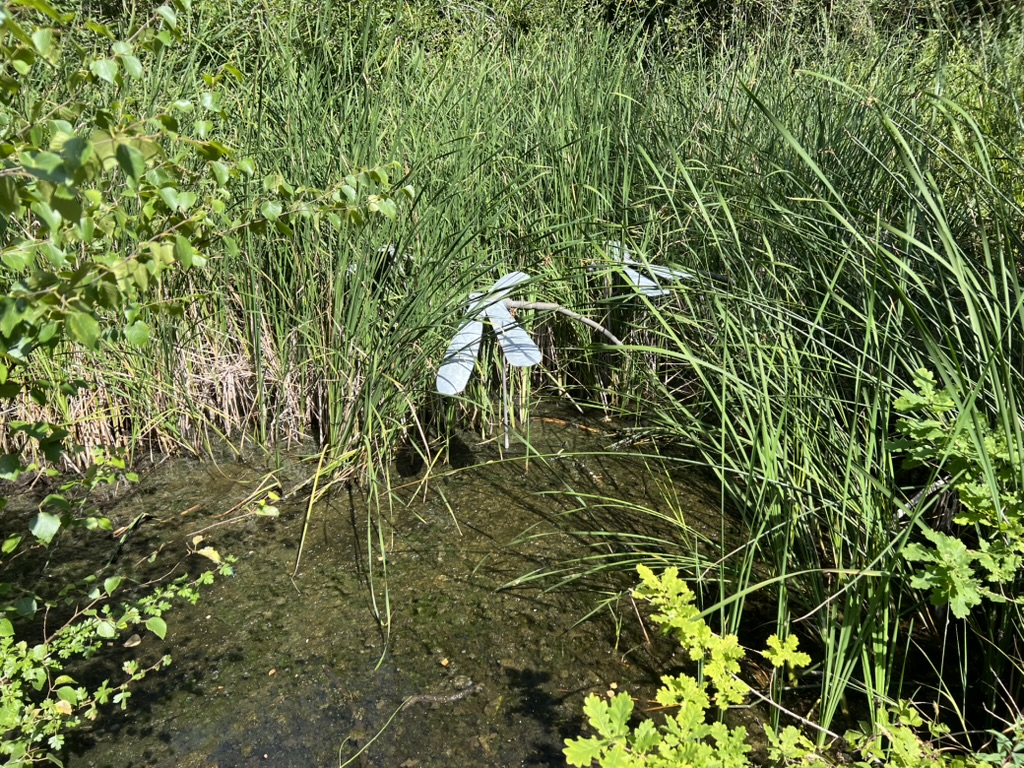
It was fascinating to see the installations of dragonflies as they would have been over 300 million years ago, but the ones we actually saw were a bit smaller.


Time and the heat prevented us from seeing everything that we wanted but we returned in September to find out more about moths.
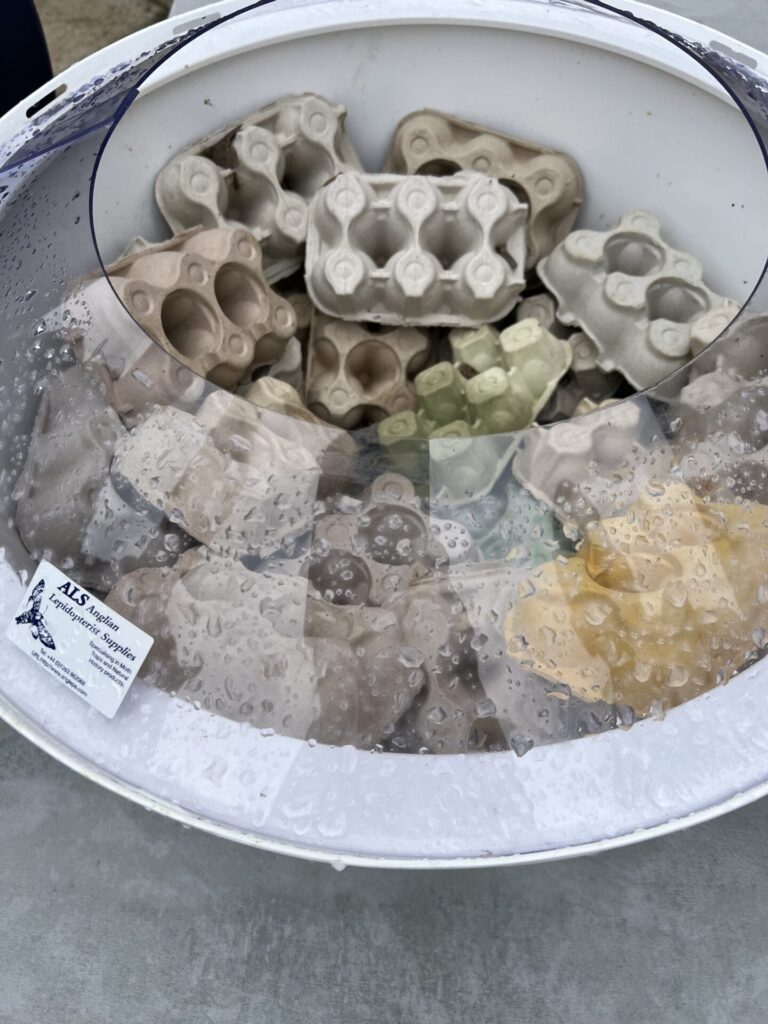
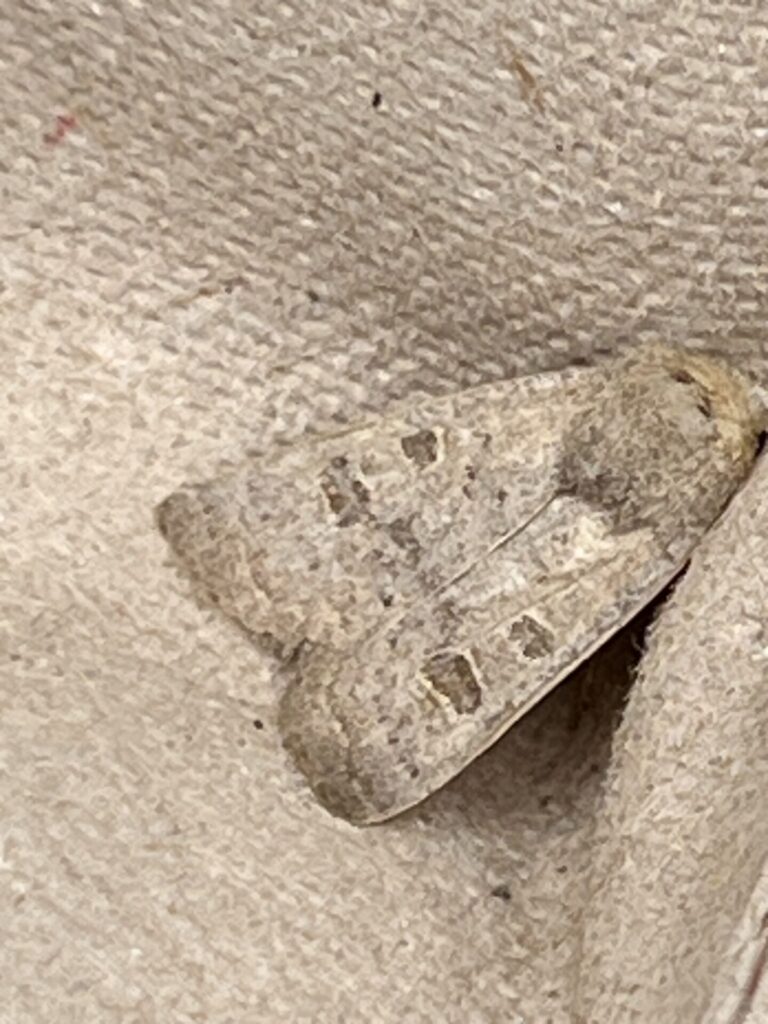
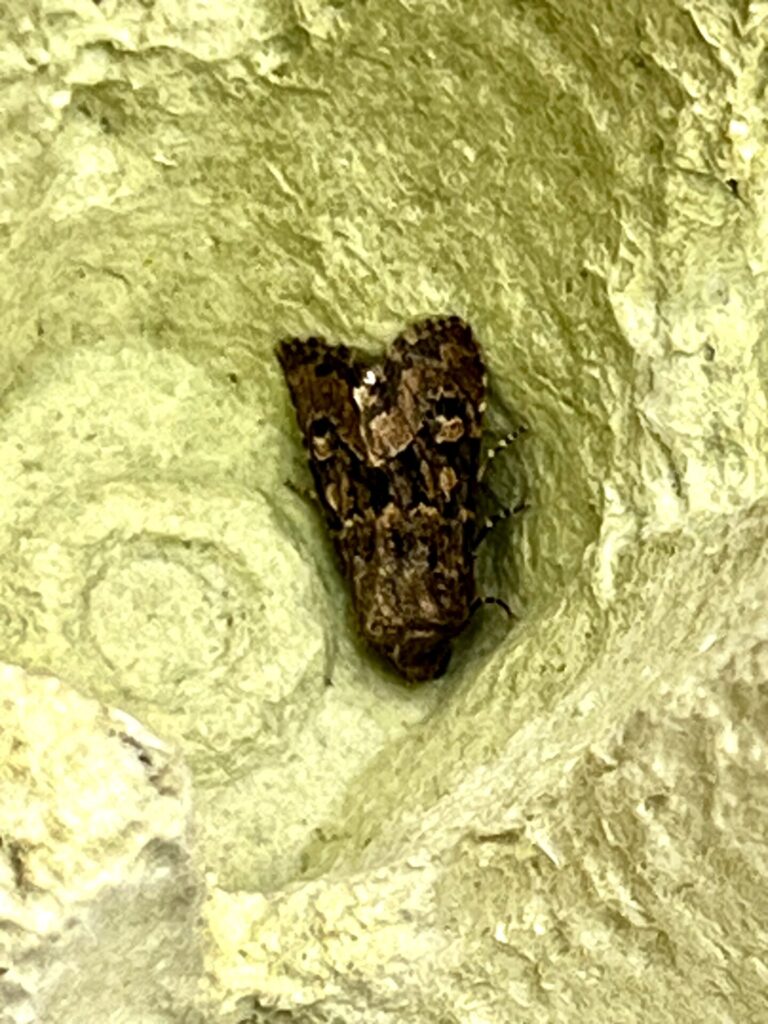
After a very informative introduction to moths, the warden showed us the moth trap and how the moths hid themselves in and under the egg boxes. Below is jus a small sample of the many photos we took as the moths were revealed in the trap.
The Vine's rustic demonstrated the capacity of moths to use the selection of habitat to maximise their camouflage. The Luperina Testacea, the flounced rustic, illustrates the detail of patterns, even among Autumn moths. One of the most subtly patterned was the light emerald moth.
In October we visited Coombes Wood Reserve to look at fungi and explore the different habitats, guided byWardens, Helen and Emma.
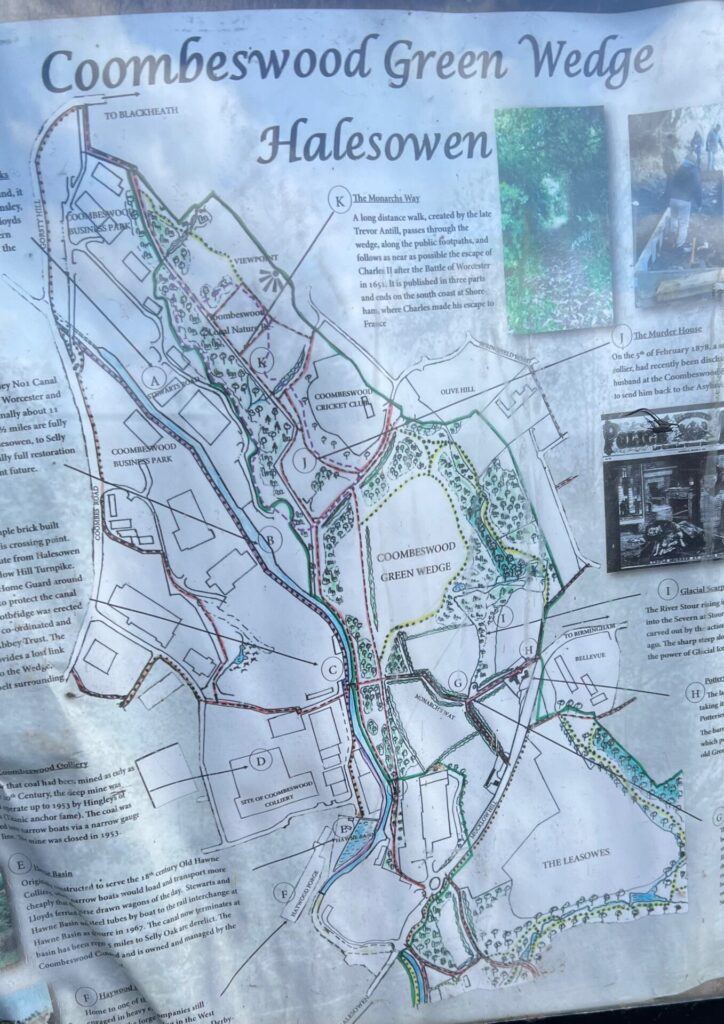
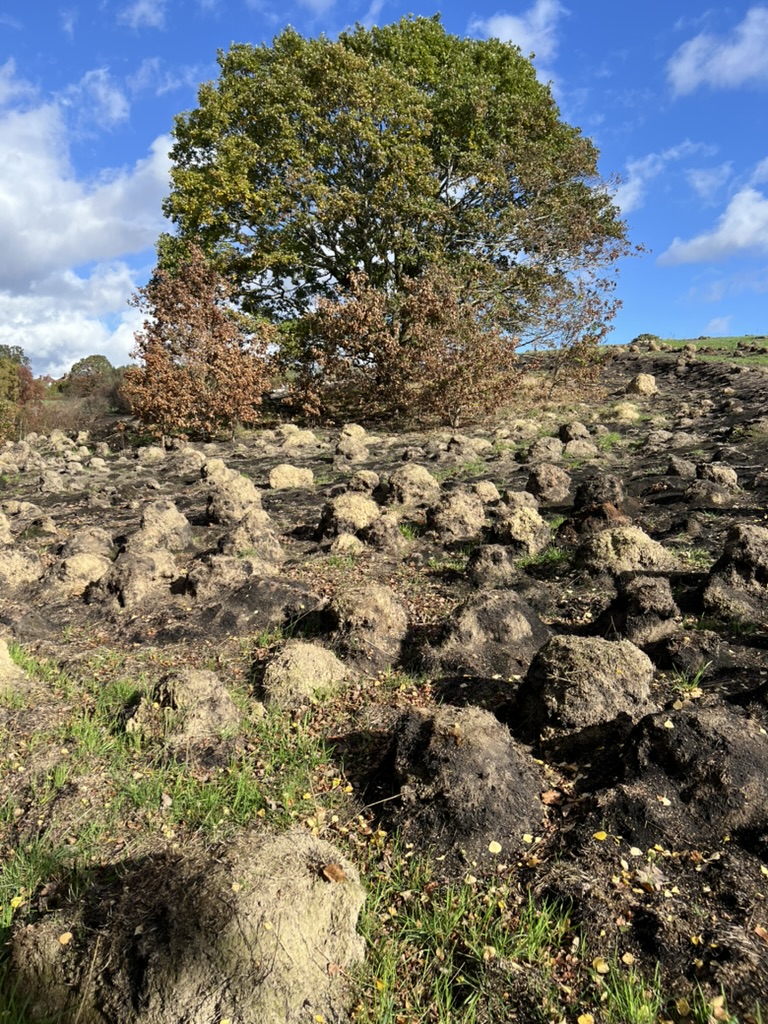
Although our intention was to look for fungi, our guides warned that they were less evident than some years. This may have reflected the very hot summer conditions and the dry autumn. The impact of the weather had resulted in wildfires at the reserve. We were able to witness the process of recovery and the impact of fire on the terrain and vegetation. We were amazed to see the anthills of the yellow field ants in such abundance.
Our walk around the reserve revealed the intact bodies of dead voles and a field mouse, victims of domestic cats no doubt, intent only on hunting and not feeding.
Our next event will be indoors, based at one of the local nature reserves and then in March we hope to visit the Diglis Fish Pass in Worcester.
I'm grateful, as ever, for suggestions from our members for activities and sites to visit and to the assistance of the wardens and volunteers of the sites that we visit for their welcome and expertise.
Martin